History of Baba Ajit Singh and Baba Jujhar Singh

10 Remarkable Facts: History of Baba Ajit Singh and Baba Jujhar Singh

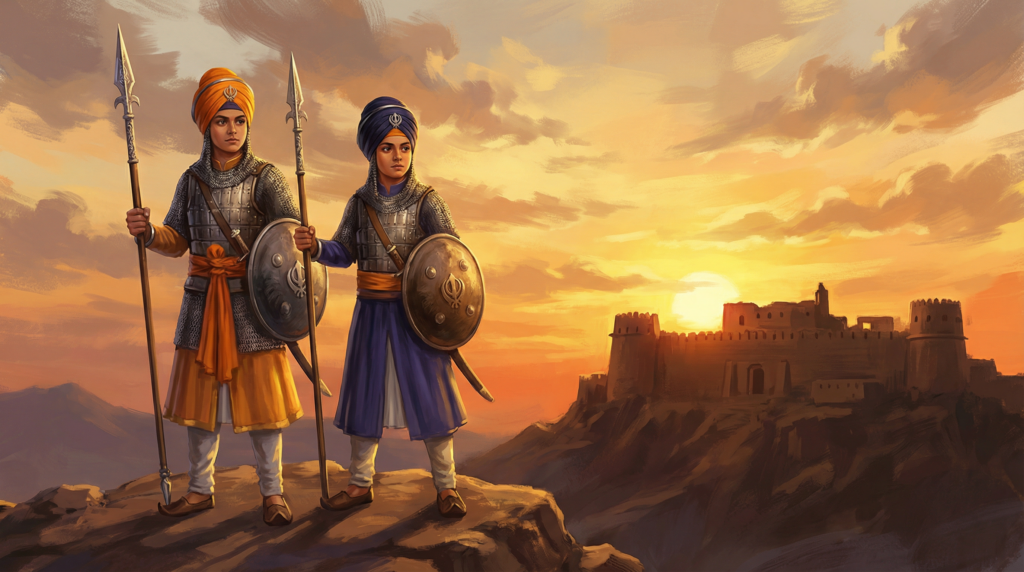
10 Remarkable Facts: History of Baba Ajit Singh and Baba Jujhar Singh The History of Baba Ajit Singh and Baba Jujhar Singh is a narrative of supreme sacrifice and unparalleled military prowess. Known as the elder Sahibzade of Guru Gobind Singh Ji, their lives serve as a beacon of courage for generations to come. In […]

10 Remarkable Facts: History of Baba Ajit Singh and Baba Jujhar Singh Read More »
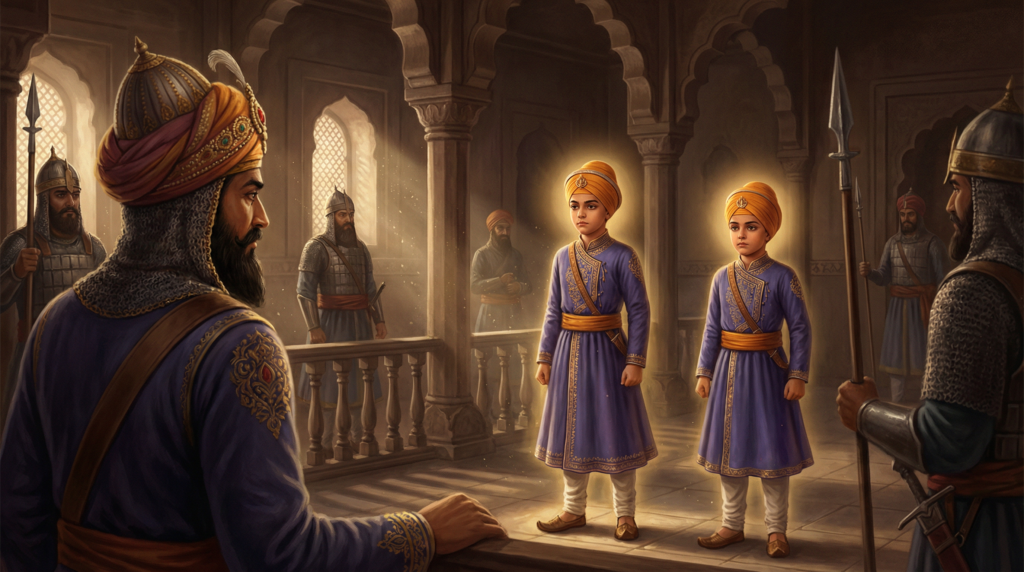
History of Baba Zorawar Singh and Baba Fateh Singh

7 Most Inspiring Facts: History of Baba Zorawar Singh and Baba Fateh Singh

7 Most Inspiring Facts: History of Baba Zorawar Singh and Baba Fateh Singh The history of Baba Zorawar Singh and Baba Fateh Singh is perhaps the most poignant and heartbreaking chapter in the entire history of mankind. Known as the ‘Chhote Sahibzade’, the younger sons of Guru Gobind Singh Ji showed a level of courage

7 Most Inspiring Facts: History of Baba Zorawar Singh and Baba Fateh Singh Read More »

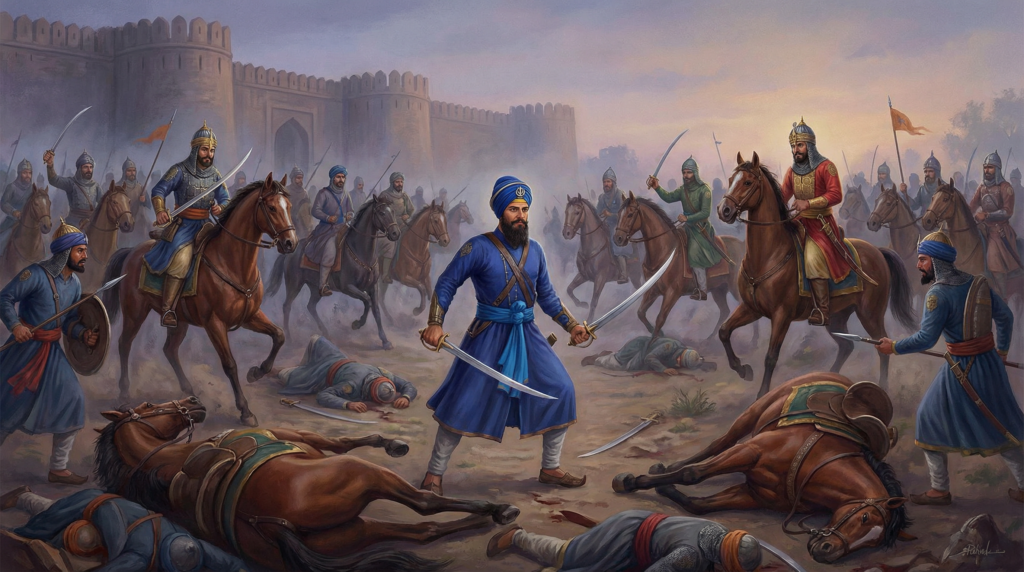
Battle of Chamkaur Sahib History

10 Legendary Facts About the Battle of Chamkaur Sahib History

10 Legendary Facts About the Battle of Chamkaur Sahib History The Battle of Chamkaur Sahib history is a testament to unparalleled courage and sacrifice in the annals of world history. It was a battle where the odds were impossible, yet the spirit of the Khalsa remained unconquerable. This historic event took place in December 1704,

10 Legendary Facts About the Battle of Chamkaur Sahib History Read More »

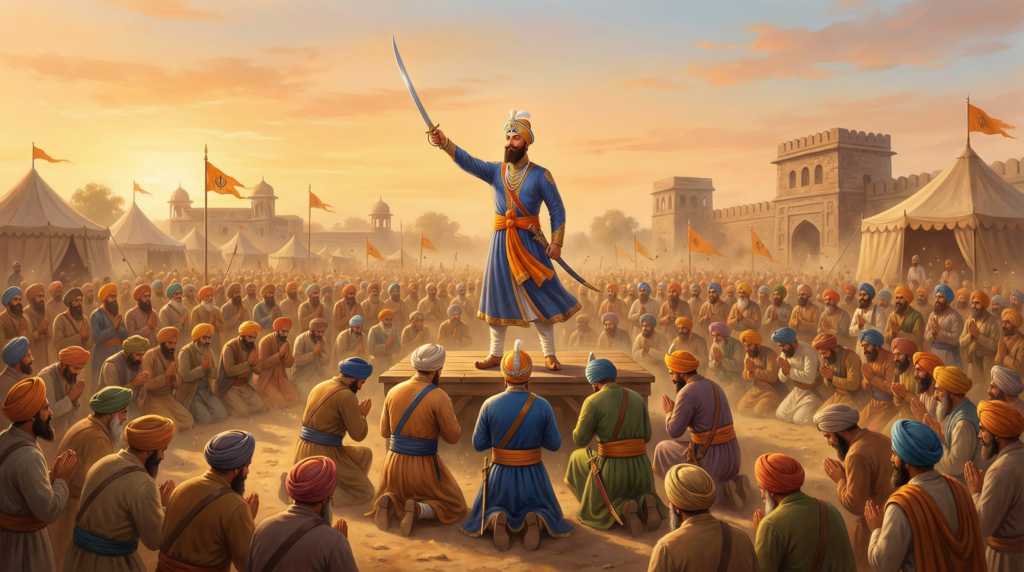
Vaisakhi History and Significance

Vaisakhi History and Significance – Birth of the Khalsa in 1699

Vaisakhi History and Significance: The Birth of the Khalsa in 1699 Vaisakhi history and significance hold a special place in Sikh history and spirituality. Celebrated every year on April 13 or 14, Vaisakhi marks the harvest festival of Punjab and, more importantly, the historic day in 1699 when Guru Gobind Singh Ji established the Khalsa

Vaisakhi History and Significance – Birth of the Khalsa in 1699 Read More »

The Five K's of Sikhism - Kesh, Kanga, Kara, Kachera, and Kirpan displayed together.

The Five K’s of Sikhism: Meaning and Significance of the Khalsa Uniform

The Five K’s (Panj Kakar): The Spiritual Uniform of a Khalsa In 1699, on the historic day of Vaisakhi, Guru Gobind Singh Ji created the Khalsa Panth. He gave the Khalsa a unique identity and a code of conduct, which included wearing five physical symbols known as the Five K’s or Panj Kakar. These are

The Five K’s of Sikhism: Meaning and Significance of the Khalsa Uniform Read More »

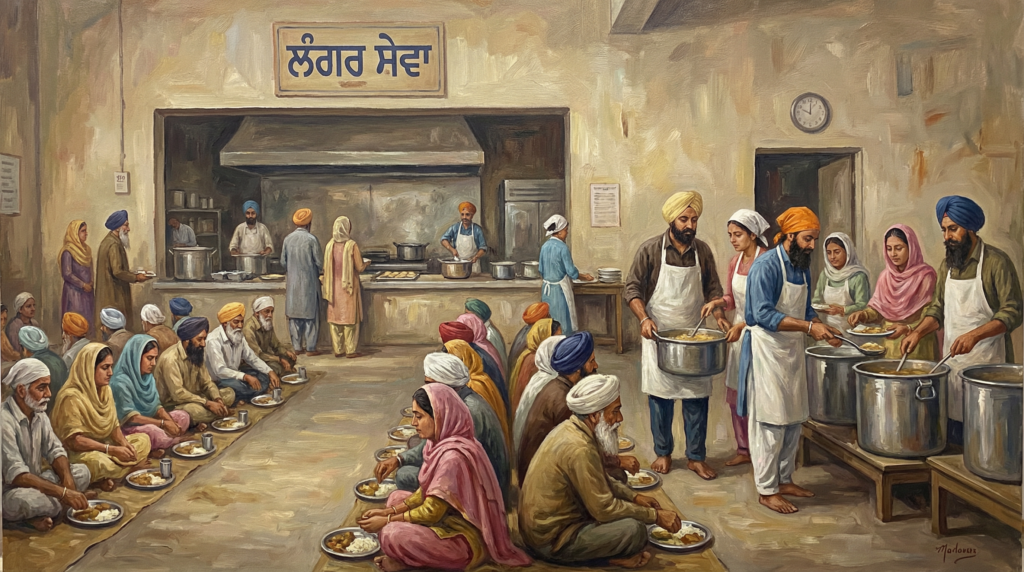
Volunteers serving food in a Gurdwara Langar hall.

The Concept of Langar: How Guru Nanak Dev Ji Started the World’s Largest Free Kitchen

The Tradition of Langar: A Symbol of Equality and Service One of the most profound and beautiful traditions in Sikhism is Langar—the community kitchen where free meals are served to everyone, regardless of religion, caste, color, or status. It is a living example of the Sikh principles of Vand Chakko (share what you earn) and

The Concept of Langar: How Guru Nanak Dev Ji Started the World’s Largest Free Kitchen Read More »

The Five Takhts of Sikhism: Pillars of Spiritual and Temporal Authority

The concept of Takht, which literally means “throne,” is central to the Sikh faith. In Sikhism, there are five Takhts that serve as the seats of spiritual and temporal (worldly) authority for the Khalsa Panth. These are the places where important decisions regarding the community are made. 1. Akal Takht Sahib (Amritsar): Established by Guru

The Five Takhts of Sikhism: Pillars of Spiritual and Temporal Authority Read More »